
-150x150h.jpg)

Igniters / Resistors for Pellet Stoves
There are no products to list in this category.




IGNITERS / RESISTORS FOR PELLET STOVES
These are the so-called igniters for pellet burners, with the most common type being cartridge resistors.
Cartridge Igniters (Cartridge Resistors)
Most igniters for pellet stoves are cartridge resistors, designed for quick ignition of pellets and resistance to high temperatures and the chemical aggressiveness of fire.
Cartridge igniters are essentially a type of tubular resistor that can be made from black, copper, or stainless steel tubes in various shapes. The two ends of the heating element extend from one end of the tube, while the other end is sealed with a metal plate, copper cap, or silver solder.
These tubes allow for high-quality insulation of the resistor from the inside. Their power is directly proportional to the length of the tube. Cartridge igniters are easy to install and remove, as they are placed in a special channel of the appliance in which they are used.
Ceramic Igniters (Ceramic Resistors)
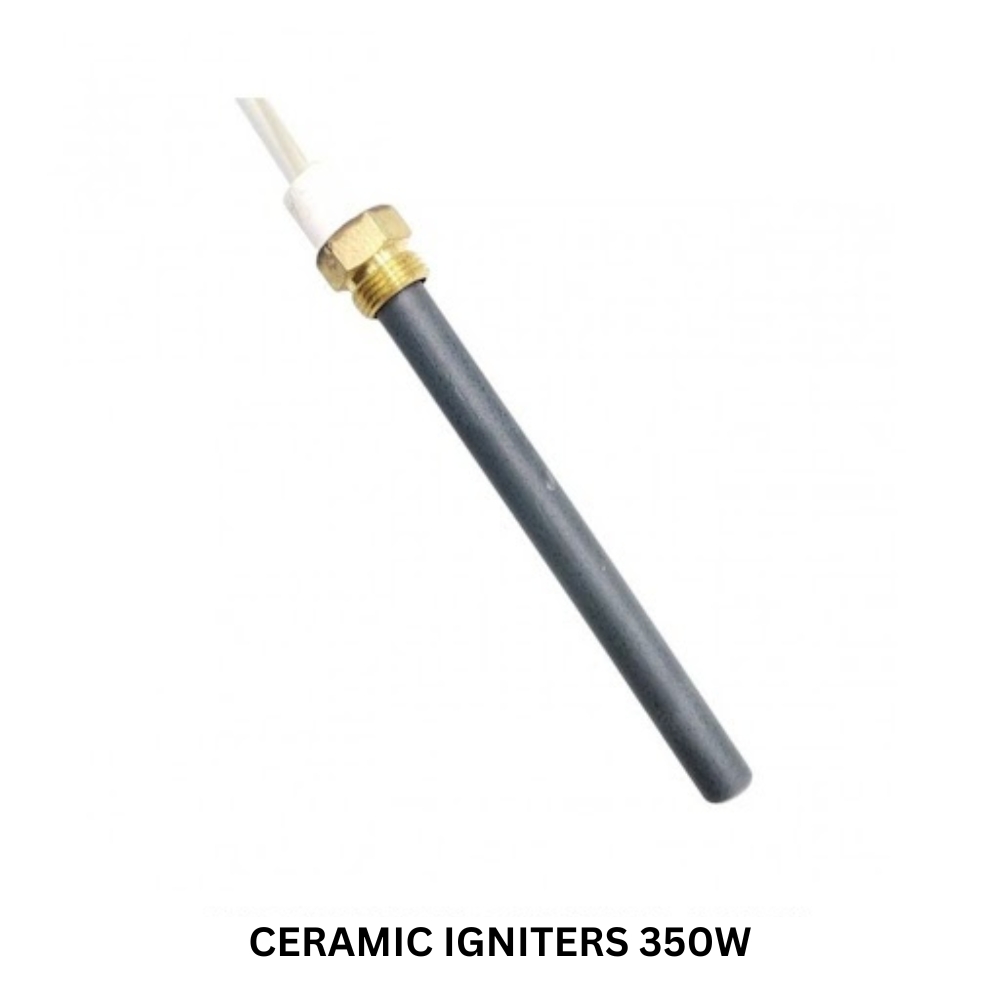
Ceramic igniters/resistors for pellet stoves are among the earliest and, until recently, the most popular igniters for pellet burners and stoves.
They are made from special high-temperature ceramics, and the resistor itself is of the open type, with the heating element largely exposed. This makes ceramic igniters more dangerous to use and easier to burn out. This can also happen with careless use and contact with metal objects.
Ceramic igniters use the effect of radiant heat to warm the surrounding air, indirectly igniting the pellets. Ceramic resistors are very efficient and economical and have nearly twice the temperature compared to traditional metal resistors.
Popular types include the round ceramic resistor and the flat ceramic resistor. Special high-temperature ceramics are used in their production, and the ceramic resistor is of the open type with an exposed heating element. Contact with metal objects or improper use can easily lead to burnout.
Quartz Igniters (Quartz Resistors)
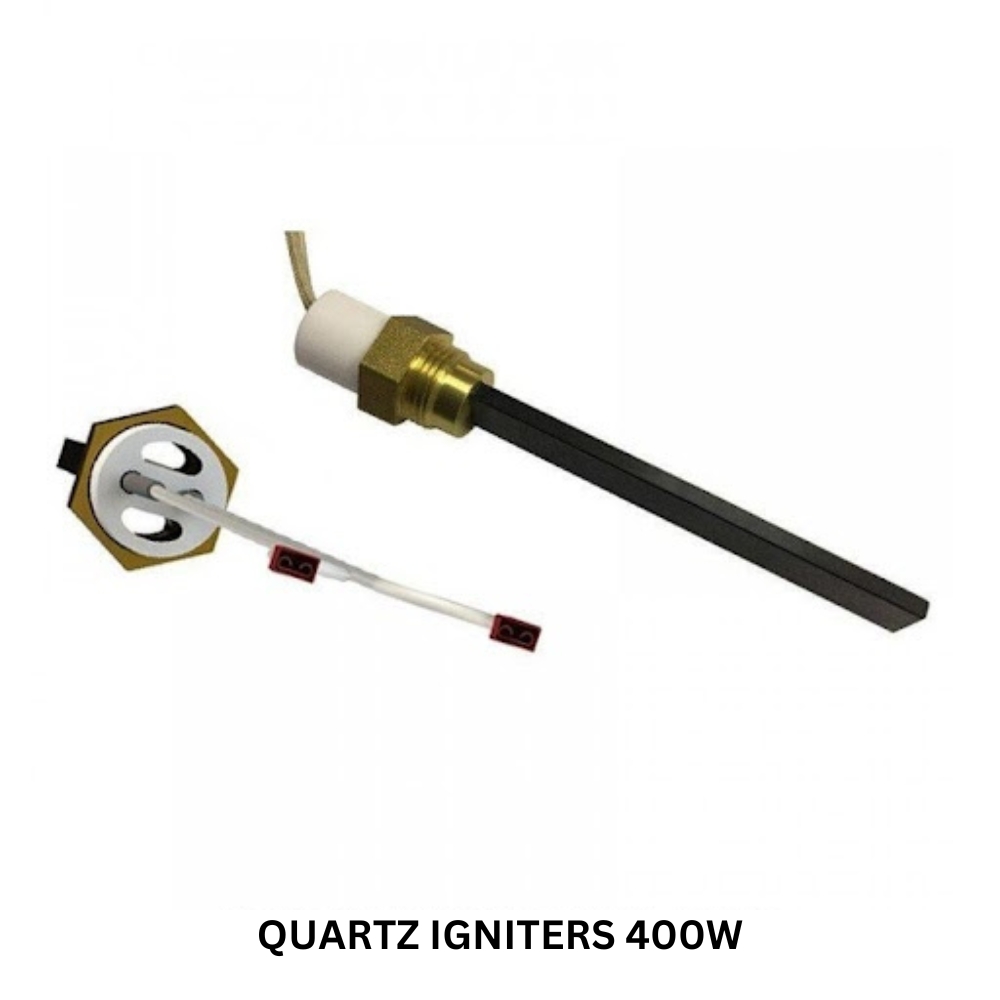
Quartz igniters/resistors for pellet stoves, also known as glass resistors, consist of a quartz tube containing a heating element. They are characterized by very high heat output, which is due to the fact that the heating element is without insulation in the tube, allowing for maximum heat distribution.
Quartz resistors are most commonly installed in specially designed channels within the appliance. Another installation method is through additional clamps, which are thin metal plates. The quartz tube cannot undergo structural changes in its shape, so it is available in various lengths, diameters, and wall thicknesses.
An advantage of quartz resistors is that quartz, as a material, has very high thermal conductivity. A disadvantage is the fragility of quartz igniters, so their use is recommended in environments that are not subject to strong vibrations and mechanical impacts.
Frequently Asked Questions about Stove Igniters
- How are quartz igniters maintained?
Quartz igniters do not require special maintenance, but regular cleaning of the fireplace will extend their lifespan. - What is the difference between cartridge and quartz igniters?
The main difference is in the material and ignition technology, with quartz igniters offering faster heating. - Can I replace the igniter in my pellet stove myself?
Yes, but it is recommended to follow the manufacturer's instructions or consult a specialist. - How long does it take to ignite pellets with a cartridge igniter?
It usually takes a few minutes. - What are the signs that an igniter needs to be replaced?
If the pellets are igniting more slowly or the stove is not starting, it may be time to replace the igniter. - Do the igniters you offer come with a warranty?
Yes, all igniters in our store come with a manufacturer's warranty. - Can I use different types of igniters in the same stoves?
It depends on the model of the fireplace and its specifications. Check your stove’s manual. - How do I choose the most suitable igniter for my stove?
Consult our specialists or check your stove's specifications for recommendations on compatible igniters.